The Ultimate Guide to Forex Trading: Strategies, Tips, and Tools
Forex trading, also known as foreign exchange trading, is the act of buying and selling currencies on the foreign exchange market. This market is the largest financial market in the world, with a daily trading volume exceeding $6 trillion. Traders engage in this dynamic market using various strategies and tools to take advantage of price fluctuations. In this article, we will delve into the fundamental concepts of Forex trading, explore effective strategies, and highlight essential tools and resources that can enhance your trading experience. For additional insights and resources, check out forex trading acev.io.
Understanding Forex Trading
Forex trading involves the exchange of one currency for another in a decentralized market. Unlike stock markets, which have physical locations and are regulated by specific exchanges, the Forex market operates globally 24 hours a day, five days a week. This accessibility and constant activity make it an attractive option for traders worldwide.
Key Terminology
To navigate the Forex market effectively, it’s important to understand the key terminology used:
- Currency Pair: Forex trading is always done in pairs (e.g., EUR/USD). The first currency is the base currency, while the second is the quote currency.
- Pip: A pip is the smallest price move that can occur in the Forex market, typically representing the fourth decimal place in currency pairs.
- Leverage: Leverage allows traders to control a larger position with a smaller amount of capital. While it can magnify profits, it also increases the risk of significant losses.
- Spread: The spread is the difference between the bid price and the ask price. It’s essentially the cost of trading in the Forex market.
Types of Forex Trading Strategies
There are various strategies that traders use to engage in the Forex market. These strategies can broadly be categorized into three main types: fundamental analysis, technical analysis, and sentiment analysis.
1. Fundamental Analysis
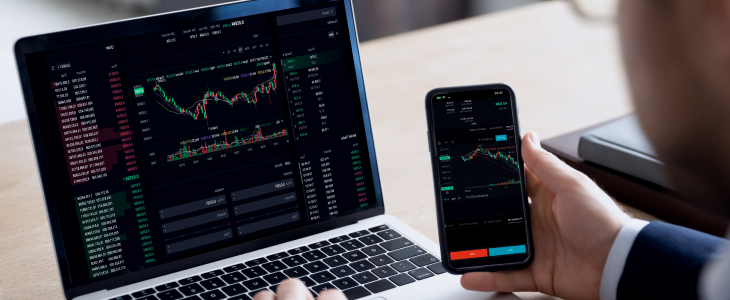
Fundamental analysis involves evaluating a country’s economic indicators, political stability, and overall market conditions to make trading decisions. Key factors to consider include:
- Interest rates set by central banks
- Employment statistics
- Gross Domestic Product (GDP) reports
- Political events, such as elections or trade agreements
By understanding the fundamental economic health of a country, traders can anticipate currency movements and position themselves accordingly.
2. Technical Analysis
Technical analysis focuses on historical price data and trading volume to forecast future price movements. Traders use various tools, such as charts, indicators, and patterns, to analyze market trends. Common technical indicators include:
- Moving Averages
- Relative Strength Index (RSI)
- Fibonacci Retracement Levels
- Bollinger Bands
By identifying support and resistance levels, as well as trends, technical analysis helps traders make informed decisions on entry and exit points.
3. Sentiment Analysis
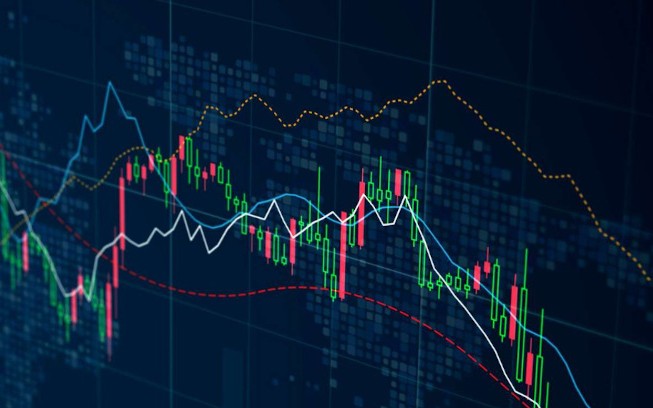
Sentiment analysis examines the overall mood of the market participants to gauge whether a currency pair is likely to experience upward or downward movement. This can involve analyzing news headlines, social media trends, and economic news sentiment. Tools like the Commitment of Traders (COT) report help traders understand market sentiment by showing the positions of different traders in the market.
Risk Management in Forex Trading
Effective risk management is crucial to long-term success in Forex trading. Here are some essential risk management tips:
- Set Stop-Loss Orders: Always use stop-loss orders to limit potential losses. This automated feature helps protect your capital in case the market moves against you.
- Risk Only What You Can Afford to Lose: A common rule is to risk no more than 1-2% of your trading capital on a single trade.
- Diversify Your Portfolio: Avoid putting all your capital into one currency pair. Diversifying your investments can help mitigate risks.
- Regularly Review Your Trading Plan: Assessing your trading plan regularly ensures that you stay on track and adjust your strategy as market conditions change.
Essential Tools and Resources for Forex Trading
The right tools can significantly enhance your trading experience. Here are some essential resources:
- Trading Platforms: Use reliable trading platforms such as MetaTrader 4, MetaTrader 5, or trading services offered by brokers.
- Economic Calendars: Keep track of economic events that can impact currency prices through economic calendars provided by financial news websites.
- Charting Tools: Utilize charting tools and software to conduct technical analysis and track price movements.
- Trading Forums and Communities: Engage with other traders through forums and communities for insights, tips, and shared experiences.
Conclusion
Forex trading offers vast opportunities for traders willing to invest time and effort in learning the craft. By understanding the fundamentals of the Forex market, developing effective strategies, managing risks, and utilizing essential tools and resources, traders can enhance their chances of success. Remember, the journey of a Forex trader involves continuous learning and adaptation to the ever-changing market dynamics. Embrace the challenge, and you may find the rewards to be well worth the effort.